The Evidence Landscape of Paralympic Sport Science: An Umbrella Review Across Major Research Domains
28 September 2026
Methods: Six databases were searched to 30 June 2026. Two reviewers independently screened records. Systematic reviews relevant to competitive Para sport were included. ROBIS, AMSTAR 2, corrected covered area, and secondary injury and VO₂peak re-analyses were used.
Results: Thirty-eight systematic reviews (2012-2026) were included across five domains. Injury evidence showed a substantial, heterogeneous burden, with recurrent upper-limb and shoulder problems in wheelchair and sitting sports. Physiological and training evidence showed sport-, impairment-, sex-, and protocol-related variation; supplementation, sleep, and recovery evidence remained limited. Testing and classification reviews showed stronger evidence for reliability than for validity, responsiveness, or class-specific interpretation. Biomechanical and technology studies highlighted task- and equipment-dependent performance, whereas psychological and system-level reviews identified psychosocial, coaching, accessibility, financial, and infrastructural determinants, although evidence was frequently cross-sectional or indirect. ROBIS rated 11 reviews low risk, 23 high risk, and 4 unclear; AMSTAR 2 confidence was moderate in 2, low in 3, and critically low in 5. Primary-study overlap was moderate (CCA 7.6%). Secondary analyses estimated injury prevalence at 41.9% and incidence at 13.4 per 1,000 athlete-days, both with wide prediction intervals; sport-specific normalized VO₂peak estimates ranged from 17.4 to 45.3 mL/kg/min.
Conclusions: The evidence base is broad but methodologically uneven and strongly context-dependent. Greater standardization and sport- and impairment-specific research are needed to improve comparability and relevance.

Journal of Movement & Neuromuscular Science
Noventra Scientific Publishing
The Evidence Landscape of Paralympic Sport Science: An Umbrella Review Across Major Research Domains
Corresponding author: Luca Puce · luca.puce@medicina.unige.it
Citation: J Mov Neuromuscul Sci. 2026;1(2).
Abstract
Background: Paralympic sport science has expanded, but evidence remains fragmented across sports, impairments, research domains, and methods. We aimed to synthesize this evidence, evaluate its credibility and overlap, and identify research priorities.Methods: Six databases were searched to 30 June 2026. Two reviewers independently screened records. Systematic reviews relevant to competitive Para sport were included. ROBIS, AMSTAR 2, corrected covered area, and secondary injury and VO₂peak re-analyses were used.
Results: Thirty-eight systematic reviews (2012-2026) were included across five domains. Injury evidence showed a substantial, heterogeneous burden, with recurrent upper-limb and shoulder problems in wheelchair and sitting sports. Physiological and training evidence showed sport-, impairment-, sex-, and protocol-related variation; supplementation, sleep, and recovery evidence remained limited. Testing and classification reviews showed stronger evidence for reliability than for validity, responsiveness, or class-specific interpretation. Biomechanical and technology studies highlighted task- and equipment-dependent performance, whereas psychological and system-level reviews identified psychosocial, coaching, accessibility, financial, and infrastructural determinants, although evidence was frequently cross-sectional or indirect. ROBIS rated 11 reviews low risk, 23 high risk, and 4 unclear; AMSTAR 2 confidence was moderate in 2, low in 3, and critically low in 5. Primary-study overlap was moderate (CCA 7.6%). Secondary analyses estimated injury prevalence at 41.9% and incidence at 13.4 per 1,000 athlete-days, both with wide prediction intervals; sport-specific normalized VO₂peak estimates ranged from 17.4 to 45.3 mL/kg/min.
Conclusions: The evidence base is broad but methodologically uneven and strongly context-dependent. Greater standardization and sport- and impairment-specific research are needed to improve comparability and relevance.
Keywords: Paralympic sport; Para sport; umbrella review; secondary meta-analysis; VO₂peak; injury; classification; biomechanics; assistive technology; performance testing; evidence mapping
1. Introduction
Paralympic sport science has expanded considerably alongside the development of competitive Para sport and now encompasses athlete health, physiology, training, nutrition, performance assessment, classification, biomechanics, assistive technology, recovery, and psychological and system-level determinants. This multidisciplinary growth reflects the complexity of high-performance Para sport, in which performance and health outcomes are shaped not only by training and competitive demands but also by impairment characteristics, sport class, equipment, and the interaction between the athlete and the specific task [1, 2, 3].
A defining feature of Para sport is that performance cannot be interpreted independently of eligible impairment and classification. Classification determines eligibility and aims to minimize the influence of impairment on competition outcome, requiring sport-specific evidence linking impairment to activity limitation rather than diagnosis alone [4, 5, 6, 7]. At the same time, wheelchairs, prostheses, throwing frames, seating systems, and other assistive technologies may influence movement strategies, mechanical loading, and performance itself [2]. These interactions make direct comparisons across sports and athlete groups particularly challenging.
The same problem applies to health, physiological, and performance indicators. Injury estimates vary according to sport, impairment, exposure definition, and surveillance method [8, 9], whereas cardiorespiratory responses and aerobic capacity vary substantially across Para-sport disciplines and are influenced by sex, impairment, exercise mode, and testing protocol [10, 11]. Performance tests and classification-related measures also differ markedly in their reliability, validity, responsiveness, and relevance to specific sport classes [12, 13]. Consequently, findings obtained in one sport, impairment group, or testing context cannot automatically be generalized to the wider Paralympic population.
Over the past decade, systematic reviews have increasingly synthesized individual areas of this literature, including injury and illness, physiology and training, testing and classification, biomechanics and technology, and psychological and system-level factors [2, 6, 8, 10, 14]. However, these bodies of evidence have largely developed in parallel. Reviews often focus on specific sports, impairments, outcomes, or methodological traditions, and many include broader disability-sport, recreational, or clinical populations alongside competitive Para athletes. As a result, the overall evidence landscape remains difficult to interpret: it is unclear which findings are consistently supported across the literature, which are confined to particular contexts, and where important gaps remain.
A comprehensive synthesis across research domains is therefore important not simply to summarize the volume of existing evidence, but to determine how mature, coherent, and directly applicable that evidence is to competitive Para sport. Such an overview can identify areas in which findings converge, highlight domains in which evidence remains sparse or inconsistent, and clarify where apparent generalizations are limited by sport-, impairment-, class-, sex-, equipment-, or protocol-specific factors. This broader perspective is also necessary for setting research priorities and for translating an increasingly large but heterogeneous literature into more defensible decisions in athlete monitoring, health protection, performance assessment, classification, and training.
The aim of this umbrella review was to map and critically synthesize systematic-review evidence relevant to competitive Paralympic sport across major research domains, evaluate the breadth, consistency, credibility, and applicability of the available evidence, and identify well-supported conclusions, unresolved gaps, and priorities for future research and practice.
2. Methods
2.1 Design and reporting approach
This study was conducted as an umbrella review of systematic reviews and meta-analyses and is reported in accordance with PRISMA 2020 and the PRIOR statement [15, 16]. The protocol was prospectively registered in PROSPERO (CRD420261387208). The review question, eligibility criteria, and review-level unit of evidence remained unchanged throughout the study. During conduct of the review, the methodological appraisal strategy was refined by applying ROBIS across the heterogeneous review corpus and restricting AMSTAR 2 to reviews falling within its intended scope. Primary-study overlap was also quantified using corrected covered area (CCA), and selected secondary quantitative re-analyses were added to examine numerical data reported within included reviews. These additions did not alter eligibility, study selection, or the composition of the review corpus.
Systematic reviews were the unit of evidence. Because populations, sports, impairments, methods, and outcomes were structurally heterogeneous, the principal synthesis was descriptive and interpretive. Secondary quantitative analyses were restricted to numerical data available within included reviews and did not involve updated searches for primary studies.
2.2 Review question and eligibility criteria
The review question was: What systematic-review evidence is available on competitive Paralympic sport science, how is it distributed across research domains and sports, and which findings are sufficiently direct and methodologically credible to inform interpretation and practice?
Eligible reports were peer-reviewed systematic reviews or meta-analyses that described an explicit systematic search and study-selection process. Eligible populations included Paralympic athletes, competitive Para athletes, or athletes participating in IPC-recognized sports. Mixed-population reviews were retained when competitive Para-sport evidence was clearly identifiable, separable, sufficiently represented, or central to the review question. Eligible concepts included athlete health and injury, physiology, training, nutrition, recovery, performance assessment, classification, biomechanics, technology and equipment, sport-specific performance, psychological factors, social support, athlete development, and system-level determinants.
Narrative reviews, scoping reviews, primary studies, editorials, conference abstracts, and non-systematic syntheses were excluded. Reviews dominated by clinical rehabilitation, general physical activity, recreational disability sport, or other non-competitive populations were excluded when findings relevant to competitive Para sport could not be separately identified or meaningfully interpreted.
2.3 Information sources and search strategy
MEDLINE via PubMed, Embase, Scopus, Web of Science Core Collection, SPORTDiscus, and the Cochrane Database of Systematic Reviews were searched from inception to 30 June 2026. Database searches were conducted between 5 May and 30 June 2026. Search concepts combined controlled vocabulary and free-text terms relating to Paralympic and Para sport, athletes with eligible impairments, and systematic reviews or meta-analyses. Reference lists of included reviews were screened, and backward and forward citation tracking was performed. No publication-year restriction was applied. Eligibility was restricted to full-text peer-reviewed reports published in English.
Complete database-specific strategies, platforms, coverage dates, and search information are reported in Supplementary Appendix S1. The search strategy was peer reviewed by an experienced information specialist according to PRESS principles. Retrieved records were imported into Zotero 7.0 and deduplicated using automated duplicate detection followed by manual verification of title, authors, year, journal, and DOI.
| Criterion | Included | Excluded |
|---|---|---|
| Evidence type | Peer-reviewed systematic reviews and meta-analyses with an explicit search and selection process | Narrative/scoping reviews, primary studies, editorials, protocols, and conference abstracts |
| Population | Paralympic or competitive Para athletes; mixed samples only when Para-sport evidence was separable or central | Clinical rehabilitation, general physical activity, or non-competitive disability samples without separable Para-sport findings |
| Concept | Health, physiology, training, nutrition, testing, classification, biomechanics, equipment, performance, psychology, social or system factors | Topics without a direct or interpretable link to competitive Para sport |
| Publication period | Database inception to 30 June 2026 | No year restriction |
| Language/status | English; full peer-reviewed report | Non-English reports without an accessible full English translation; non-peer-reviewed or abstract-only reports |
Table note: eligibility was applied at the systematic-review level; mixed-population reviews were included only when competitive Para-sport evidence was separable or central to the review question.
2.4 Study selection, data extraction, and evidence domains
Titles and abstracts and subsequently full texts were screened independently by two reviewers against the eligibility criteria. Disagreements were resolved by consensus or, when required, by a third reviewer. One reviewer extracted data using a piloted standardized form, and a second reviewer independently verified all extracted fields against the source review. Discrepancies were resolved by consensus. Extracted information included bibliographic characteristics, review objectives and search dates, populations, sports and impairments, primary-study characteristics, outcomes, quantitative findings, authors’ conclusions, reported limitations, and information relevant to methodological appraisal.
Each included review was assigned to one primary evidence domain according to its principal objective. The domains encompassed injury and health; physiological, nutritional, and training determinants; performance assessment, testing, and classification; biomechanics, equipment, and sport-specific performance; and psychological, social, and system-level factors. Cross-domain findings were retained narratively but were not counted as independent reviews. The complete review corpus is provided in Supplementary Table S1.
2.5 Risk-of-bias and methodological appraisal
Risk of bias was assessed using ROBIS across all included reviews [17]. ROBIS was selected as the principal risk-of-bias framework because the corpus included epidemiological, measurement, classification, biomechanical, intervention, and broader system-level syntheses. AMSTAR 2 was additionally applied to reviews of healthcare, training, nutrition, or other interventions falling within its intended scope [18]. AMSTAR 2 was used to characterize methodological confidence rather than to generate a numerical quality score. Two reviewers independently completed item-level judgments for both instruments, with disagreements resolved through consensus and arbitration by a third reviewer when necessary.
The prespecified critical AMSTAR 2 domains were protocol registration before review commencement, adequacy of the literature search, justification of excluded studies, appropriate risk-of-bias assessment, appropriate meta-analytic methods, consideration of risk of bias in interpretation, and assessment of publication bias where applicable. Pre-consensus agreement across appraisal judgments was 89.5% (Cohen’s κ = 0.78). Overall ROBIS and AMSTAR 2 classifications are summarized in Supplementary Table S2.
2.6 Evidence synthesis and management of primary-study overlap
Evidence was synthesized narratively at review level. Quantitative findings were retained only when the outcome, denominator, unit, and sport or population context were sufficiently clear. Metrics representing different constructs, scales, or populations were not pooled or ranked as directly comparable.
Primary-study overlap was assessed using a citation matrix mapping individual primary studies across included reviews. Corrected covered area was calculated as CCA = (N - r)/(r × c - r), where N is the total number of primary-study occurrences across reviews, r is the number of reviews, and c is the number of unique primary studies [19]. CCA values were interpreted as slight (0-5%), moderate (6-10%), high (11-15%), or very high (>15%) overlap. CCA was calculated overall and within evidence domains where primary-study identifiers permitted reliable matching.
Overlap was explicitly considered during interpretation. When multiple reviews addressed the same question and contained substantial shared primary-study evidence, conclusions were not given duplicate quantitative weight. Interpretation prioritized the more recent, comprehensive, and methodologically credible synthesis, whereas older overlapping reviews were retained when they contributed unique sport-, impairment-, population-, or outcome-specific information. The overlap summary is reported in Supplementary Table S3.
2.7 Secondary quantitative re-analyses of injury and VO2peak
Secondary quantitative re-analyses were conducted using numerical data reported within two reviews already included in the umbrella-review corpus and were not based on updated primary-study searches. For injury outcomes, event counts and sample sizes from 31 prevalence cohorts and reported rates, confidence intervals, and injury counts from 21 incidence cohorts were reconstructed from Pinheiro et al. [8]. For aerobic capacity, 88 absolute and 67 body-mass-normalized VO2peak source rows were obtained from the official supplementary workbook of Baumgart et al. [10]. Sport labels were harmonized and VO2peak analyses were performed separately by sport; no overall cross-sport estimate was calculated.
For injury prevalence, proportions were analyzed on the logit scale, with a 0.5 continuity correction applied to boundary proportions when required. For incidence, rates were analyzed on the log scale. Random-effects models using restricted maximum likelihood (REML) with modified Hartung-Knapp (mHK) confidence intervals were used for the principal inferential analyses [20, 21]. Prediction intervals were calculated using a t distribution with k-2 degrees of freedom. DerSimonian-Laird (DL) analyses reproducing the scales used in the source review were retained as replication analyses [22]. Source-defined methodological-quality subgroups were examined exploratorily, and leave-one-out analyses were used to evaluate influence. Subgroup contrasts were descriptive and were not interpreted causally.
For VO2peak, the sampling variance of each reported mean was calculated as SE² = SD²/n, correcting the use of SD² as within-study variance in the source workbook. Random-effects analyses were performed separately within each sport using DerSimonian-Laird estimation as the corrected primary analysis; REML with modified Hartung-Knapp intervals was used as a sensitivity analysis where applicable. Sports represented by a single source row were reported descriptively, and estimates based on only two rows were interpreted cautiously.
The Baumgart source workbook contained multiple rows from some publications, reflecting separately reported samples or subgroups. Because independence between all such rows could not always be established from the available review-level material, source rows were retained as reported and k therefore denotes the number of source rows rather than the number of unique publications. This potential within-publication dependence was considered when interpreting sport-specific estimates.
Analyses were implemented in Python using versioned datasets and NumPy-based random-effects calculations, with figures generated using Matplotlib. Input data, executable scripts, transformations, variance calculations, confidence- and prediction-interval procedures, zero-event handling, sensitivity analyses, leave-one-out results, and validation checks will be made available in the reproducibility package on the Open Science Framework at release. Replication estimates were compared with the source reviews as a data-integrity check.
3. Results
3.1 General characteristics
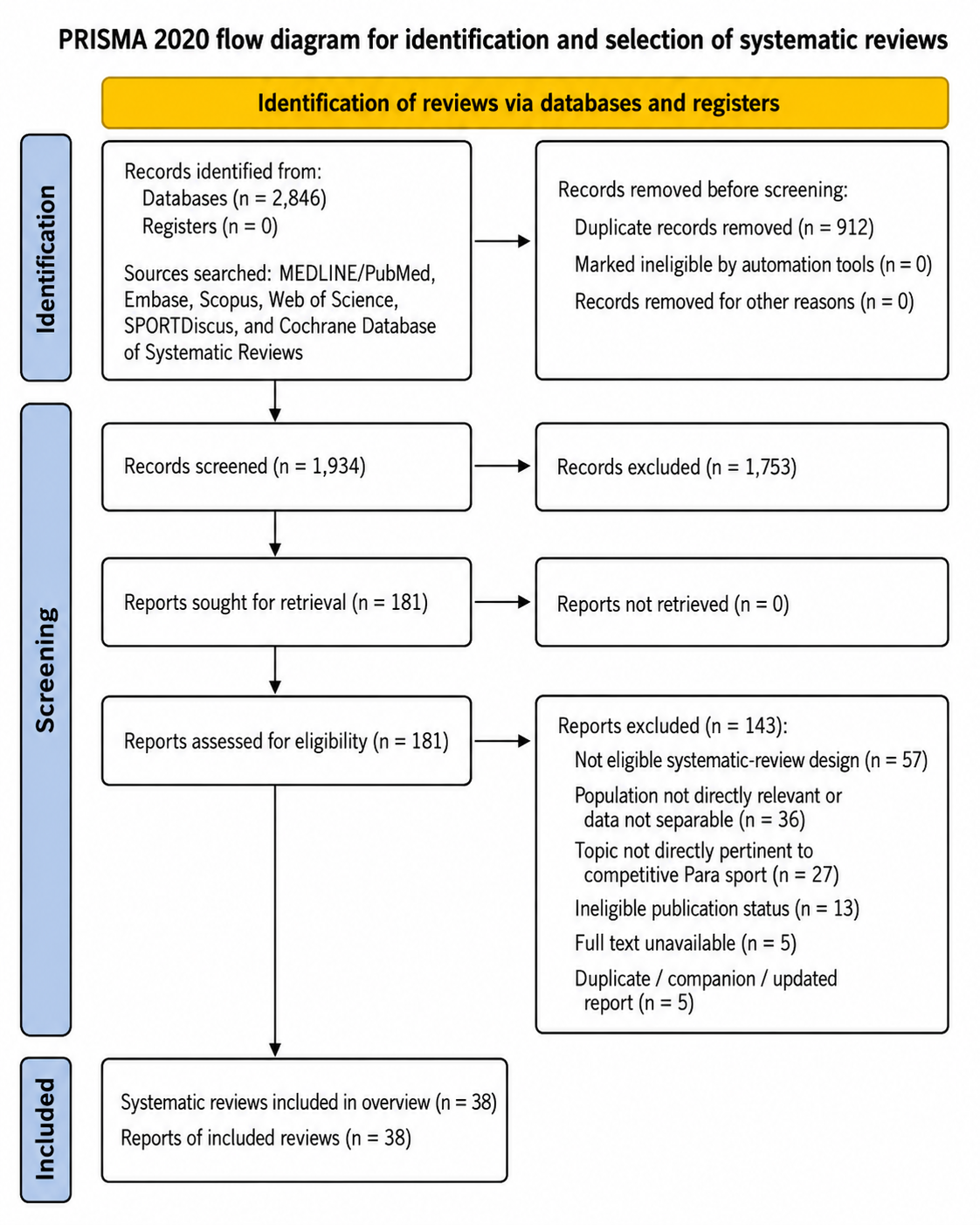
Thirty-eight systematic reviews published between 2012 and 2026 were included, 32 of which were published from 2021 onward. The evidence base comprised injury and health (n=9), physiological, nutritional, and training determinants (n=8), performance assessment, testing, and classification (n=9), biomechanics, equipment, and sport-specific performance (n=7), and psychological, social, and system-level factors (n=5). The search identified 2,846 records; 912 duplicates were removed, 1,934 records were screened, and 181 full-text reports were assessed. Of these, 143 were excluded and 38 systematic reviews were included. Reasons for full-text exclusion were failure to meet the systematic-review definition (n=57), ineligible or non-separable Para-sport populations (n=36), topics not directly relevant to competitive Para sport (n=27), ineligible publication status (n=13), unavailable full text (n=5), and duplicate, companion, or updated reports (n=5) (Figure 1).
Coverage across sports was uneven. Wheelchair basketball, wheelchair rugby, wheelchair tennis, wheelchair racing, and other seated sports were represented across multiple evidence domains, whereas blind football, goalball, Para swimming, Para powerlifting, Boccia, seated throwing, and running with brain impairment were represented by more focused review-level evidence. Several Paralympic disciplines were absent or represented only indirectly in broader multi-sport reviews.
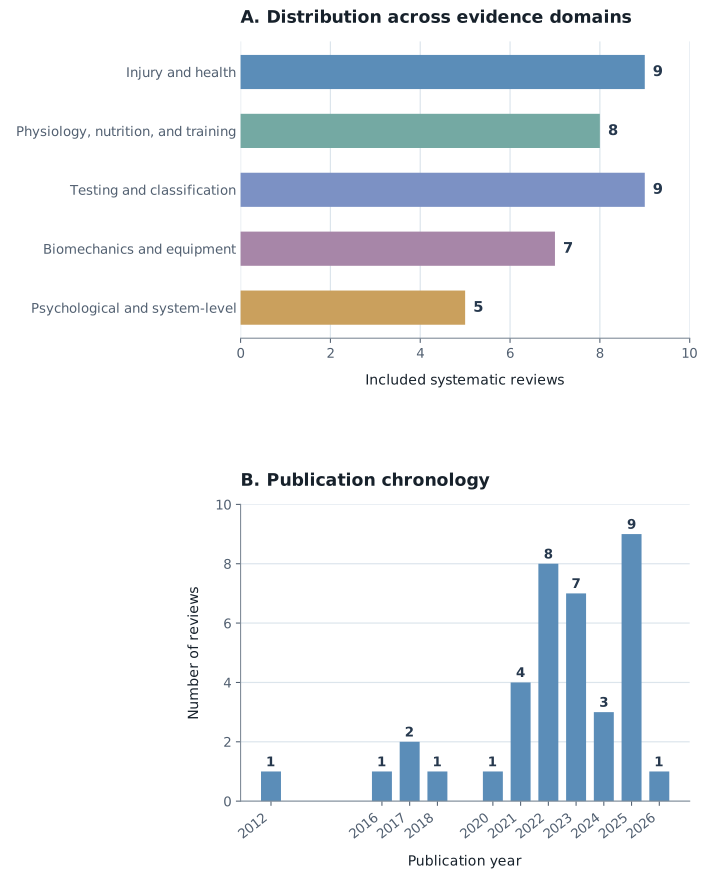
Source: included-review corpus (Supplementary Table S1).
| Domain | n | Main contexts | Synthesis |
|---|---|---|---|
| Injury and health | 9 | Wheelchair basketball, sitting volleyball, mixed Para sport, wheelchair athletes, eye illness, concussion | Upper-limb and shoulder burden recurred across wheelchair and sitting sports; injury definitions and denominators varied. |
| Physiology, nutrition, and training | 8 | Sitting sports, Para swimming, blind football, goalball, supplementation, sleep, elite wheelchair sport | Physiological profiles were sport- and impairment-sensitive; intervention evidence for nutrition, recovery, and training was sparse or inconsistent. |
| Testing and classification | 9 | Wheelchair court sports, cross-sport classification, muscle strength, isokinetic and field testing | Many tools showed acceptable reliability, but validity, responsiveness, class-specific interpretation, and standardization were inconsistent. |
| Biomechanics and equipment | 7 | Wheelchair free throw, running with brain impairment, Boccia, blind football, Para powerlifting, seated throws, assistive technology | Performance determinants were highly task-specific and often depended on impairment, sport class, and athlete-equipment interaction. |
| Psychological and system-level | 5 | Burnout, coping, psychosocial characteristics, well-being, social support, training systems, sport development | Evidence identified psychological, social, coaching, accessibility, financial, and system-level determinants, but was often cross-sectional, qualitative, or based on broader disability-sport populations. |
3.2 Injury and health
Nine reviews addressed injury, musculoskeletal complaints, sport-related health problems, concussion, and eye illness [23]. Pinheiro et al. [8] reported a pooled musculoskeletal-injury prevalence of 40.8% (95% CI 32.5-49.8) and an incidence of 14.3 injuries per 1,000 athlete-days. Heterogeneity was high, and the estimates combined sports and impairment groups with different exposure patterns.
Upper-limb involvement recurred across sport-specific reviews. In wheelchair basketball, Sá et al. [24] synthesized eight studies including 753 players; 36.4% were reported as injured, 47.2% of injuries involved the upper limb, and the shoulder accounted for approximately 22%. In sitting volleyball, Moraes et al. [25] reported an injury prevalence of 54.1%, with 53.8% of injuries affecting the upper limb and 28.9% the shoulder. Overuse injuries were more frequent than acute trauma, and approximately half resulted in time loss.
Among wheelchair athletes, shoulder complaints ranged from 16% to 76% across studies using different definitions, recall periods, and populations [26]. Jodar-Boixet et al. [27] reported Wheelchair User’s Shoulder Pain Index reliability coefficients of 0.84-0.99 and a correlation of r=0.90 with a visual analogue scale, while evidence for several other measurement properties remained limited or indeterminate.
Concussion and eye-illness reviews also showed sport- and impairment-specific variation. Singh et al. [28] reported higher concussion incidence in selected contexts, including Para ice hockey and athletes with visual impairment. Kunorozva et al. [29] reported eye-illness incidence of approximately 1.6-2.2 per 1,000 athlete-days in winter settings and 0.3-0.5 per 1,000 athlete-days in summer settings.
3.3 Physiological, nutritional, and training determinants
Eight reviews addressed aerobic capacity, swimming physiology, anthropometry and body composition, balance, sleep, dietary supplementation, and training-related interventions. Baumgart et al. [10] included 57 studies and 771 athletes across 14 Paralympic sitting-sport disciplines. Aerobic capacity varied markedly across sports, with higher values generally reported in endurance-oriented disciplines such as Nordic sit skiing and handcycling than in shooting, wheelchair rugby, and some court-sport samples. Reported values also varied according to sex, impairment, test mode, training status, and whether oxygen uptake was expressed absolutely or relative to body mass.
Feitosa et al. [11] included ten studies involving 142 swimmers with physical impairments. Oxygen uptake, blood lactate, and heart rate were assessed using heterogeneous protocols; swimmers with lower functional impact of impairment generally showed higher oxygen-uptake and lactate responses than those with greater impairment impact.
Evidence concerning supplementation was limited. Shaw et al. [30] included 15 studies and 311 participants across seven supplement categories. Caffeine was the most frequently examined supplement, but effects differed across sprint, time-trial, power, and perceptual outcomes. Perret and Flueck [31] similarly identified few controlled studies in athletes with spinal cord injury.
Sport-specific reviews reported position-related differences in body mass and body fat in blind football [32], heterogeneous balance findings in goalball [33], frequent poor sleep quality and limited impairment-specific adaptation of sleep measures [34], and variable effects of cooling, respiratory training, nutrition, and equipment adaptations in elite wheelchair sport [35].
3.4 Performance assessment, testing, and classification
Nine reviews examined impairment measures, field and laboratory tests, ball-handling skills, muscle strength, mobility performance, and evidence-based classification [36]. Wileman et al. [7] synthesized 51 articles and Hutchinson et al. [6] 23 studies; both identified comparatively stronger evidence for reliability than for relationships between impairment measures and sport-specific performance or activity limitation.
In wheelchair sport, Ferreira da Silva et al. [37] identified passing and sprinting among the most frequently assessed skills, whereas Altmann et al. [38] reported stronger measurement evidence for maximal throwing distance and velocity than for throwing accuracy or catching. Luarte et al. [39] documented frequent use of sprint, passing, handgrip, agility, Wingate, and dribbling tests in elite wheelchair basketball.
Gavel et al. [12] identified 45 mobility field tests across 21 studies and 317 participants in wheelchair rugby, basketball, and tennis. Thirty-five tests were anaerobic and ten aerobic; reliability ranged from moderate to excellent (ICC 0.62-0.99), whereas validity evidence was more limited. O’Connor et al. [13] included 30 observational studies of muscle-strength assessment; 76% involved wheelchair sports, 53% used isometric testing, 33% isokinetic testing, and only five studies reported reliability data [40].
Across classification reviews, evidence was more developed for measurement reliability than for validity linking impairment measures to sport-specific activity limitation, particularly within class-specific samples.
3.5 Biomechanics, equipment, and sport-specific performance
Seven reviews synthesized sport-specific biomechanical, equipment, and performance evidence. In wheelchair basketball, de Oliveira Silva et al. [41] included seven cross-sectional studies and 216 male players. Lower-class athletes generally showed lower release heights and higher release speeds, whereas higher-class players exhibited more sequential throwing patterns; shooting accuracy did not differ consistently by class.
Fiorese et al. [42] included eight studies and 100 runners with brain impairment and reported differences in step organization, horizontal propulsion, flight time, and joint-level work compared with non-disabled runners.
Reviews of Boccia and blind football described multidimensional performance determinants spanning throwing mechanics, postural stability, dexterity, coordination, aerobic fitness, match demands, technical-tactical actions, balance, recovery, and training [43, 44].
In Para powerlifting, Oliveira et al. [45] identified maximal strength, bar velocity, grip width, range of motion, technique, and fatigue monitoring as recurrent performance variables. Garcia-Carrillo et al. [46] highlighted release velocity, release angle, trunk and grip strength, and throwing-frame configuration in adapted throws. Liu et al. [2] included 42 studies of assistive technologies involving prostheses, wheelchairs, seated devices, sensors, and digital tools, with reported effects varying according to device configuration, impairment, sport, and task.
3.7 Methodological credibility, overlap, and selected quantitative findings
ROBIS classified 11 reviews as low risk of bias, 23 as high risk, and 4 as unclear. Among the 10 reviews for which AMSTAR 2 was applicable, methodological confidence was moderate in 2, low in 3, and critically low in 5; no review achieved high confidence. Overall corrected covered area was 7.6%, corresponding to moderate primary-study overlap. The greatest overlap occurred in injury and health and in performance assessment, testing, and classification. Table 3 summarizes numerical findings from individual reviews for which outcomes, denominators, units, and population context were sufficiently clear; these estimates were retained descriptively rather than treated as directly comparable effect estimates.
| Context | Outcome | Estimate | Review | Interpretation |
|---|---|---|---|---|
| Mixed Para sport | Musculoskeletal injury prevalence | 40.8% (95% CI 32.5-49.8) | [8] | Pooled across heterogeneous sports and impairments |
| Mixed Para sport | Musculoskeletal injury incidence | 14.3 per 1,000 athlete-days | [8] | Exposure definitions varied |
| Wheelchair basketball | Players reported as injured | 36.4% (274/753) | [24] | Eight primary studies |
| Wheelchair basketball | Upper-limb share of injuries | 47.2% | [24] | Shoulder approximately 22% |
| Sitting volleyball | Injury prevalence | 54.1% | [25] | Upper limb 53.8%; shoulder 28.9% |
| Wheelchair athletes | Shoulder complaints | 16%-76% | [26] | Range reflects heterogeneous definitions |
| Para athletes | WUSPI reliability | 0.84-0.99 | [27] | High correlation with VAS, r=0.90 |
| Sitting sports | Athletes in VO2peak review | 57 studies; 771 athletes | [10] | 14 sitting-sport disciplines; large between-sport variation |
| Wheelchair court sports | Mobility-test reliability | ICC 0.62-0.99 | [12] | Validity evidence remained limited |
| Blind football | Studies and players in body-composition review | 10 studies; 168 players | [32] | Position-specific differences reported |
Abbreviations: CI, confidence interval; ICC, intraclass correlation coefficient; VAS, visual analogue scale; VO2peak, peak oxygen uptake; WUSPI, Wheelchair User’s Shoulder Pain Index.
3.8 Secondary quantitative re-analyses of injury and VO2peak
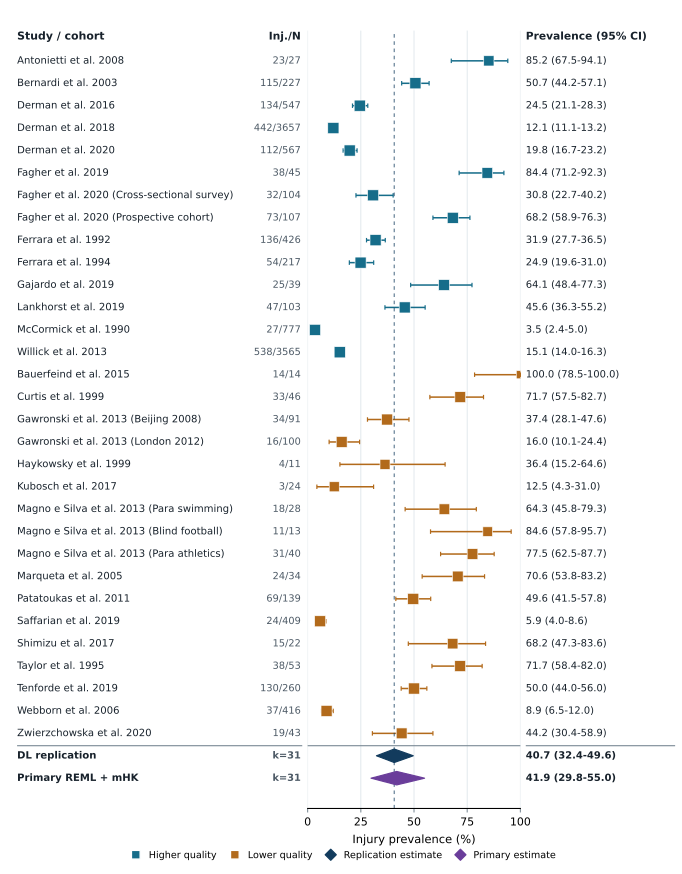
The primary REML+mHK analysis of 31 prevalence cohorts yielded a pooled prevalence of 41.9% (95% CI 29.8-55.0), with a 95% prediction interval of 4.1-92.3%. The DL replication estimate was 40.7% (95% CI 32.4-49.6; I²=97.7%), closely reproducing the 40.8% estimate reported in the source review. The corresponding DL prediction interval was 8.4-83.7%. Leave-one-out DL estimates ranged from 39.1% to 43.2%. In source-defined methodological-quality subgroups, pooled prevalence was 34.6% in the higher-quality group and 47.2% in the lower-quality group.
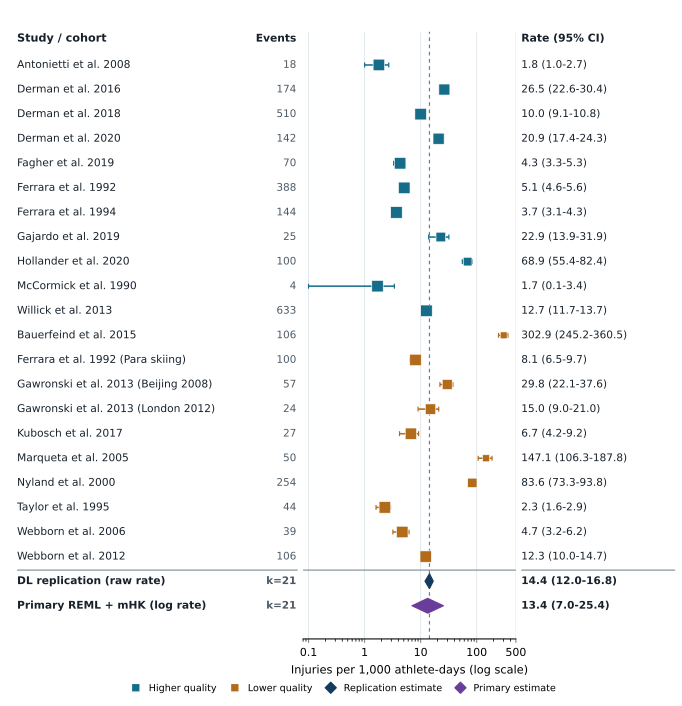
Across 21 incidence cohorts, the primary REML+mHK analysis yielded 13.4 injuries per 1,000 athlete-days (95% CI 7.0-25.4), with a 95% prediction interval of 0.66-269.2. The DL replication estimate was 14.4 per 1,000 athlete-days (95% CI 12.0-16.8; I²=98.4%), compared with 14.3 in the source review; its prediction interval was 3.7-25.1. Leave-one-out replication estimates ranged from 11.9 to 15.9 per 1,000 athlete-days. Source-defined higher- and lower-quality subgroup estimates were 11.7 and 23.2 per 1,000 athlete-days, respectively.
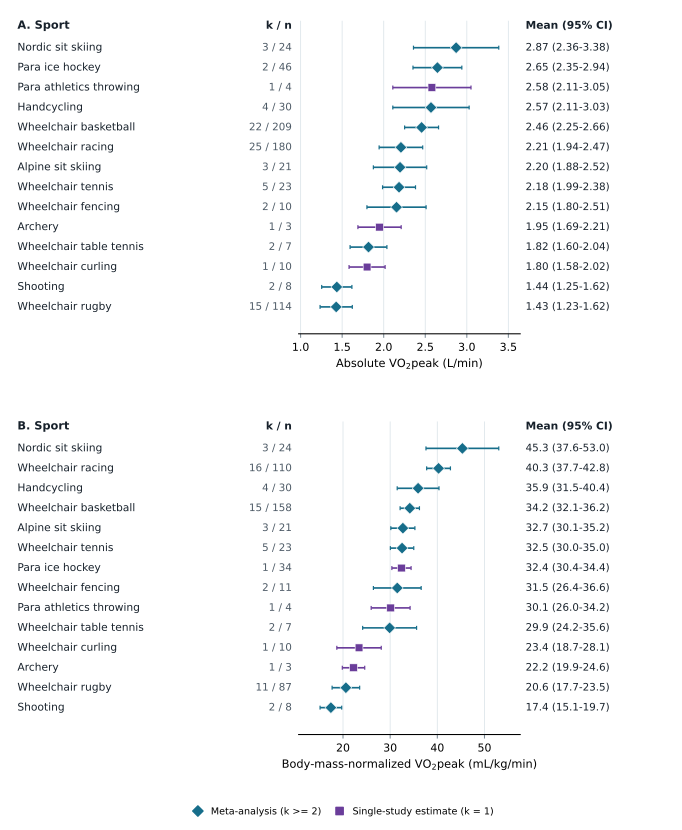
The VO2peak dataset comprised 88 absolute and 67 body-mass-normalized source rows across 14 sitting-sport categories. Sport-specific normalized estimates ranged from 17.4 mL/kg/min in shooting (k=2) to 45.3 mL/kg/min in Nordic sit skiing (k=3). Selected estimates were 20.6 mL/kg/min for wheelchair rugby (k=11), 34.2 for wheelchair basketball (k=15), 35.9 for handcycling (k=4), and 40.3 for wheelchair racing (k=16). Corresponding absolute estimates for shooting, wheelchair rugby, wheelchair basketball, handcycling, wheelchair racing, and Nordic sit skiing were 1.44, 1.43, 2.46, 2.57, 2.21, and 2.87 L/min, respectively. Between-row heterogeneity was substantial in most multi-row sport categories. Because some publications contributed multiple source rows, k represents source rows rather than unique publications. Single-row categories were reported descriptively, and k=2 estimates were interpreted cautiously.
| Outcome / scale | Sport or subgroup | k | Primary estimate (95% CI) | I² | Sensitivity / interpretation |
|---|---|---|---|---|---|
| Injury prevalence | All cohorts | 31 | 41.9% (29.8-55.0) | 97.7% in DL replication | REML+mHK primary; PI 4.1-92.3%. DL replication 40.7% (32.4-49.6) |
| Injury prevalence | Source-defined higher vs lower quality | 14 / 17 | 34.6% vs 47.2% | 98.2% / 95.8% | Exploratory subgroup contrast |
| Injury incidence | All cohorts | 21 | 13.4 (7.0-25.4) per 1,000 athlete-days | 98.4% in DL replication | Log-rate REML+mHK primary; PI 0.66-269.2. DL replication 14.4 (12.0-16.8) |
| Injury incidence | Source-defined higher vs lower quality | 11 / 10 | 11.7 vs 23.2 per 1,000 athlete-days | 98.6% / 98.3% | Exploratory subgroup contrast |
| Normalized VO2peak | Shooting | 2 | 17.4 (15.1–19.7) mL/kg/min | 0.0% | Sparse; k=2 estimate interpreted cautiously |
| Normalized VO2peak | Wheelchair rugby | 11 | 20.6 (17.7–23.5) mL/kg/min | 91.2% | Sport-specific pooling only |
| Normalized VO2peak | Wheelchair basketball | 15 | 34.2 (32.1–36.2) mL/kg/min | 79.9% | Sport-specific pooling only |
| Normalized VO2peak | Handcycling | 4 | 35.9 (31.5–40.4) mL/kg/min | 67.5% | Sport-specific pooling only |
| Normalized VO2peak | Wheelchair racing | 16 | 40.3 (37.7–42.8) mL/kg/min | 74.1% | Sport-specific pooling only |
| Normalized VO2peak | Nordic sit skiing | 3 | 45.3 (37.6–53.0) mL/kg/min | 74.7% | Sport-specific pooling only |
Table note: REML with modified Hartung-Knapp confidence intervals is primary for injury outcomes; DerSimonian-Laird estimates are replication analyses. VO2peak values are corrected DerSimonian-Laird estimates using SE² and are pooled only within sport. DL, DerSimonian-Laird; mHK, modified Hartung-Knapp; PI, prediction interval; REML, restricted maximum likelihood.
3.9 Cross-cutting evidence gaps
Four recurring evidence gaps were identified across domains. First, reviews frequently combined athletes differing in sport, impairment, class, competitive level, and equipment configuration without reporting sufficiently detailed subgroup data. Second, women and athletes with intellectual impairment were underrepresented, and sex-specific analyses were uncommon. Third, heterogeneity in test protocols, case definitions, outcome measures, and exposure denominators frequently limited comparison across studies and reviews. Fourth, many primary studies were small, cross-sectional, single-center investigations with limited longitudinal follow-up or linkage to classification and performance outcomes [7, 9, 13, 14].
4. Discussion
4.1 Principal findings
This umbrella review provides a broad synthesis of the current systematic-review evidence across Paralympic sport science. Thirty-eight reviews were identified across athlete health, physiology and training, performance assessment and classification, biomechanics and technology, and psychological and system-level domains. The evidence base has expanded substantially, but its distribution remains uneven, with wheelchair and seated sports more consistently represented than many ambulatory disciplines and other Paralympic populations.
The most important finding is that the available evidence is broad but not uniformly mature. Methodological appraisal was predominantly unfavorable, with most reviews rated at high risk of bias by ROBIS and most AMSTAR 2-applicable reviews showing low or critically low confidence. Corrected covered area also indicated moderate primary-study overlap, particularly within injury and health and performance assessment/testing/classification. Thus, the apparent volume of review-level literature should not be interpreted as an equivalent volume of independent primary evidence. Across domains, sport, impairment, class, equipment, sex, exposure definition, and testing protocol repeatedly influenced the interpretation of findings. The secondary analyses reinforced this context dependence through very wide injury prediction intervals and marked between-sport variation in VO2peak.
4.2 Athlete health: substantial burden and limited generalizability
The injury literature consistently indicates that musculoskeletal health is an important concern in Para sport, but the magnitude of risk varies considerably across sports and surveillance settings. The secondary re-analysis produced a prevalence estimate of 41.9% and an incidence estimate of 13.4 injuries per 1,000 athlete-days, yet both were accompanied by very wide prediction intervals. The pooled estimate summarizes the average of the available evidence, whereas the prediction interval reflects the range of values that may plausibly be observed in a new setting. In this context, a single pooled rate has limited value as a universal Para-sport benchmark.
Despite this heterogeneity, upper-limb and shoulder problems recurred in wheelchair basketball, sitting volleyball, and broader wheelchair-athlete populations. This pattern is compatible with repeated sport-specific and daily upper-limb loading, although causal attribution cannot be made from the review-level evidence alone. Differences in injury definitions, exposure denominators, follow-up duration, and inclusion of non-time-loss health problems also contributed materially to between-study variation. Recent prospective studies cited here as contextual evidence, rather than as part of the umbrella corpus, similarly show that health problems fluctuate across training and competition and that non-time-loss conditions may contribute substantially to total burden [49, 50]. More standardized prospective surveillance and consistent reporting of burden, exposure, and severity would improve comparability across Para-sport settings [51, 52].
4.3 Physiology and training: context-dependent physiological evidence
The physiological evidence reinforces the limited value of broad cross-sport benchmarking. Cardiorespiratory responses and aerobic capacity varied substantially across Para-sport disciplines, and the VO2peak re-analysis quantitatively illustrates this heterogeneity. Absolute and body-mass-normalized VO2peak values answer different questions, while impairment, sex, active muscle mass, autonomic function, test modality, ergometer configuration, training status, and sport technique may all influence observed values. The differences between shooting, wheelchair rugby, wheelchair basketball, handcycling, wheelchair racing, and Nordic sit skiing should therefore be interpreted within their sport and functional contexts rather than as a ranking of overall fitness.
The broader training, nutrition, recovery, and sleep literature was comparatively sparse and heterogeneous. Controlled studies were limited, samples were often small, and impairment-specific evidence was uneven. Accordingly, the current literature provides stronger support for sport- and impairment-specific interpretation than for universal Para-sport physiological reference standards or broad intervention recommendations. Future studies should report the testing configuration and athlete characteristics needed to determine whether observed differences reflect sport demands, impairment-related physiology, or methodological variation.
4.4 Performance assessment and classification: reliability is not sufficient
The testing literature shows a consistent imbalance between evidence for reliability and evidence for validity or decision relevance. Across mobility, sprint, throwing, passing, and strength assessments, many tools showed moderate-to-excellent reliability, whereas evidence for criterion validity, responsiveness, and class-specific interpretation was less developed. Reliability is necessary for measurement, but reproducibility alone does not establish that a test measures the construct relevant to performance, detects meaningful change, or supports a specific classification decision.
This distinction is particularly important for classification. Evidence-based classification requires not only a reliable measure of eligible impairment but also evidence that the impairment produces a meaningful limitation in the activities that determine performance in that sport. A performance test may be affected by impairment, training, technique, motivation, or equipment simultaneously and therefore cannot automatically be interpreted as a pure impairment measure. Future research should place greater emphasis on validity, responsiveness, class-specific interpretation, and explicit separation of impairment effects from other determinants of performance.
4.5 Biomechanics and assistive technology: athlete-equipment-task interactions
Biomechanical and equipment-related findings were among the most sport-specific in the review. Across wheelchair basketball, adapted throwing, running with brain impairment, Boccia, Para powerlifting, and assistive-technology studies, performance outcomes depended on the interaction between functional capacity, task demands, and equipment configuration. In wheelchair basketball, for example, class-related differences in release height, release speed, and sequencing were not accompanied by consistent differences in shooting accuracy, indicating that different movement solutions may coexist within the same performance task.
These findings highlight the importance of treating equipment as part of the experimental condition rather than as a background characteristic. Wheelchair geometry, seating, prosthetic components, throwing frames, grips, and other relevant interfaces can alter movement mechanics and loading and should be reported in sufficient detail to support interpretation and replication. More broadly, biomechanical findings in Para sport are most informative when they are considered within the athlete-equipment-task context in which they were generated.
4.6 Psychological and system-level evidence
The psychological and system-level literature broadens the evidence base beyond physiological and mechanical determinants. Reviews identified associations involving burnout, coping, motivation, resilience, social support, coaching, accessibility, finance, infrastructure, technology, and broader sport-system characteristics. These findings indicate that training continuity and performance development are embedded within organizational and social environments as well as within the athlete.
This domain was also among the least direct with respect to high-performance outcomes. Much of the evidence was cross-sectional, qualitative, or derived from broader disability-sport populations rather than narrowly defined competitive Paralympic cohorts, which limits causal interpretation. Future studies should increasingly use longitudinal designs and link psychological and system-level determinants to clearly defined health, training, and performance outcomes in sport-specific Para-athlete populations.
4.7 Structural heterogeneity and interpretation
One of the most important interpretive findings is that heterogeneity in Paralympic sport science is not purely statistical. Some variation reflects methodological inconsistency and should be reduced through better standardization, including inconsistent injury definitions, exposure denominators, and testing protocols. Other variation reflects genuine differences in impairment, class, sex, active muscle mass, equipment, sport rules, competitive level, and task demands and should instead be investigated as potential effect modification. The injury analyses illustrate this distinction: I² exceeded 97% and prediction intervals were extremely broad, indicating that different surveillance settings may yield substantially different estimates despite addressing the same broad outcome. Similar considerations apply to physiological and performance measures, where indiscriminate cross-sport pooling may obscure meaningful differences. Future research should therefore move beyond estimating average effects alone and identify the athlete-, sport-, equipment-, and protocol-level characteristics that explain variability.
4.8 Implications for research and practice
The next phase of Paralympic sport science should focus as much on improving the structure of the evidence base as on increasing its volume. A major priority is more complete and standardized reporting. At minimum, studies should clearly describe sport, eligible impairment, sport class, sex, competitive level, equipment configuration, test protocol, and the relevant exposure or sampling denominator. Without these variables, apparently similar studies may be difficult to compare or interpret.
Methodological harmonization is also important. Elite Para-sport populations are often intrinsically small, which limits the capacity of single-center studies to support class-, impairment-, or sex-specific inference. Multicenter collaboration, shared data dictionaries, harmonized protocols, prospective registration, and, where feasible, individual-participant-data approaches could improve precision without forcing non-comparable athlete groups into the same analysis. Greater representation of women, athletes with intellectual impairment, and less-studied Paralympic disciplines is also needed.
Evidence synthesis itself should also improve. Future systematic reviews should distinguish direct competitive Para-sport evidence from broader disability-sport evidence, prospectively register protocols, report complete searches and exclusions, integrate risk-of-bias judgments into interpretation, and account explicitly for primary-study overlap. For applied interpretation, the most consistent conclusion across domains is that health, physiological, testing, and biomechanical data should be interpreted within the sport, impairment, class, sex, equipment, exposure, and protocol context from which they were derived. Broad Para-sport averages may provide descriptive context, but the present evidence does not support their use as universal benchmarks across athlete populations.
| Gap | Why it matters | Priority action |
|---|---|---|
| Incomplete population reporting | Results cannot be assigned confidently to sport, class, sex, or impairment. | Minimum reporting set for sport, class, impairment, sex, level, and equipment. |
| Small single-center samples | Low power and limited subgroup analysis. | Multicenter prospective cohorts and shared data dictionaries. |
| Non-standard outcomes | Similar constructs cannot be compared or pooled. | Sport-specific core outcome sets and harmonized exposure definitions. |
| Classification validity gaps | Reliable impairment measures may not explain activity limitation. | Link impairment measures to task-relevant performance across classes. |
| Underrepresented sports and athletes | Evidence maps are dominated by wheelchair sports and male samples. | Targeted funding for less-studied sports, women, and intellectual impairment. |
| Weak review methods | Searches, exclusions, overlap, and risk of bias are incompletely reported. | Prospective protocols, PRIOR reporting, item-level appraisal, and overlap matrices. |
4.9 Strengths and limitations
Strengths of this umbrella review include its prospectively registered protocol, broad multidisciplinary scope, explicit separation of review-level synthesis from secondary quantitative re-analysis, assessment of methodological credibility and primary-study overlap, and use of prediction intervals to complement pooled injury estimates. The review also preserved the distinction between absolute and body-mass-normalized VO2peak and avoided constructing a universal cross-sport physiological benchmark.
Several limitations should be considered. The review-level evidence was unevenly distributed across sports and was concentrated particularly in wheelchair and seated disciplines. Many included reviews combined sports, impairment groups, classes, sexes, competitive levels, and equipment conditions, limiting the directness of findings to specific athlete populations. ROBIS and AMSTAR 2 identified substantial methodological limitations across the review corpus. Primary-study overlap was moderate overall, and overlap estimates were limited where primary-study identifiers were incomplete or could not be matched confidently. The injury and VO2peak re-analyses were restricted to primary studies already represented in the source reviews and therefore should be interpreted as secondary re-analyses rather than updated primary-study meta-analyses. Injury data were reconstructed from published material, and some incidence exposure values were rounded in the source. In the VO2peak dataset, some publications contributed multiple source rows; residual within-publication dependence therefore cannot be excluded, and k represents source rows rather than unique publications. Sparse sport categories, particularly those represented by one or two rows, further limit random-effects inference.
Finally, a small number of prospective primary studies were cited in the Discussion to provide contemporary context for surveillance and applied interpretation. These studies were not incorporated into the umbrella-review corpus and did not contribute to any pooled estimate.
5. Conclusion
Paralympic sport science now comprises a substantial multidisciplinary review-level evidence base, but its distribution, methodological credibility, and applicability remain uneven. Across domains, health and performance outcomes were strongly dependent on sport, impairment, class, sex, equipment, exposure definitions, and testing protocols; secondary re-analyses reinforced this context dependence through wide injury prediction intervals and marked between-sport variation in VO2peak. Methodological limitations and moderate primary-study overlap further reduce the apparent independence of the literature. Progress will depend on standardized reporting, harmonized sport-specific methods, multicenter prospective research, stronger classification-validity studies, and better representation of under-studied sports and athlete groups.
Declarations
| Author Contributions | Nicola Luigi Bragazzi: Conceptualization, Methodology, Formal analysis, Visualization, Writing - original draft, Writing - review & editing. Morteza Taheri: Screening, Data curation, Validation, Writing - review & editing. Carlo Trompetto: Methodology, Validation, Supervision, Writing - review & editing. Luca Puce: Conceptualization, Supervision, Project administration, Writing - review & editing. All authors approved the final manuscript. |
|---|---|
| Funding | This research received no external funding. |
| Institutional Review Board Statement | Not applicable; this study synthesized published literature and did not involve new human-participant data. |
| Informed Consent Statement | Not applicable |
| Data and Code Availability | The de-identified processed datasets, complete analysis tables, and analysis code supporting the findings of this study are available from the corresponding author upon reasonable request. |
| Acknowledgments | The authors have no acknowledgments to report. |
| Competing Interests | The authors declare no commercial, financial, or other relationships that could be construed as a potential conflict of interest. |
| Supplementary Materials | Supplementary materials. Supplementary Table S1 presents the included-review corpus; Supplementary Table S2 summarizes ROBIS and AMSTAR 2 appraisal results; Supplementary Table S3 summarizes primary-study overlap; Appendices S1-S3 report the database search strategies, full-text exclusion reasons, and reproducibility specifications for the secondary analyses. |
| Generative AI Disclosure | Generative AI tools were used only for editorial preparation and formatting support. The authors reviewed and approved the final content and take full responsibility for the work. |
References
) [Internet]. 2020. Available from: https://doi.org/10.1136/bjsports-2019-101969 https://doi.org/10.1136/bjsports-2019-101969